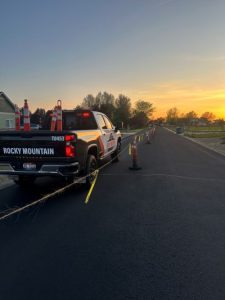
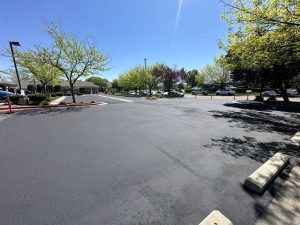
Every school strives to provide a safe, welcoming environment for students, staff, parents, and visitors. While classrooms, playgrounds, and athletic facilities often receive the most attention, one of the most heavily used areas on campus is frequently overlooked—the asphalt.
From parking lots and bus lanes to drop-off zones, playgrounds, and walking paths, asphalt surfaces are essential to the daily operation of every school. Proper asphalt maintenance not only keeps these areas looking professional but also improves safety, reduces liability, and helps schools avoid costly repairs.
Whether it’s an elementary school, high school, college, or university, investing in routine asphalt maintenance is one of the smartest ways to protect both students and school property.
School Parking Lots Experience Heavy Daily Traffic
School campuses see a tremendous amount of traffic every day. Parents dropping off children, school buses, faculty, delivery vehicles, maintenance crews, and student drivers all use the same pavement throughout the school year.
This constant use places significant stress on asphalt surfaces. Combined with changing weather conditions, UV exposure, and water infiltration, pavement naturally begins to deteriorate over time.
Common asphalt problems include:
- Surface cracks
- Potholes
- Uneven pavement
- Faded parking lot striping
- Drainage issues
- Worn crosswalks
Without regular maintenance, these small issues can quickly develop into expensive repairs.
Student Safety Starts in the Parking Lot
Safety is the number one priority for every school district. While much attention is focused on classroom safety, outdoor surfaces play an equally important role in protecting students.
Damaged asphalt creates hazards for:
- Students walking to class
- Parents during pickup and drop-off
- Teachers and staff
- Visitors
- School bus drivers
Cracks and potholes can cause trips, falls, and vehicle damage, while faded crosswalks and traffic markings make it harder for drivers to navigate safely.
Routine asphalt maintenance helps eliminate these hazards before accidents occur.
Organized Traffic Flow Reduces Congestion
Busy school mornings and afternoons can quickly become chaotic if parking lots are not clearly marked.
Fresh parking lot striping and pavement markings help direct traffic by identifying:
- Parent pickup and drop-off lanes
- Bus loading zones
- Visitor parking
- Faculty parking
- Student parking
- Fire lanes
- Crosswalks
- One-way traffic patterns
Clearly marked parking lots improve traffic flow, reduce confusion, and create a safer environment for both drivers and pedestrians.
ADA Compliance Is Essential
Schools are required to provide accessible parking and pedestrian routes that comply with the Americans with Disabilities Act (ADA).
Proper asphalt maintenance helps ensure:
- Handicap parking spaces remain clearly visible
- Accessible routes stay smooth and obstacle-free
- ADA pavement markings remain compliant
- Parking lot signage is easy to identify
Faded striping or damaged pavement can create accessibility challenges and expose schools to unnecessary liability.
Regular maintenance helps schools remain compliant while ensuring equal access for everyone on campus.
Prevent Small Repairs from Becoming Major Projects
One of the biggest benefits of routine asphalt maintenance is preventing costly reconstruction.
Small cracks allow water to penetrate beneath the asphalt surface. As moisture reaches the base layer, it weakens the pavement structure. During freeze-thaw cycles, expanding water causes cracks to widen and eventually form potholes.
Preventive maintenance services such as:
- Crack filling
- Sealcoating
- Asphalt patching
- Drainage improvements
can significantly extend the life of school pavement while reducing long-term repair costs.
For school districts operating within tight budgets, preventive maintenance is often far more affordable than replacing entire parking lots.
Well-Maintained Campuses Reflect School Pride
The condition of a school’s exterior contributes to the overall impression parents, visitors, and community members have of the campus.
Fresh pavement markings, smooth asphalt, and clean parking lots demonstrate that a school values safety, organization, and maintenance.
A well-maintained campus helps create a welcoming environment while reflecting positively on the school district.
Summer Is the Ideal Time for Asphalt Maintenance
Many schools schedule asphalt maintenance during summer break when parking lots and drive lanes experience less traffic.
Summer maintenance allows contractors to complete projects such as:
- Sealcoating
- Parking lot striping
- Crack sealing
- Asphalt patching
- ADA parking updates
- Custom pavement stenciling
Completing these projects before students return minimizes disruptions and ensures the campus is ready for the new school year.
Extend the Life of Your Asphalt Investment
School parking lots and driveways represent a significant investment. With proper maintenance, asphalt can last decades.
Routine maintenance protects that investment by slowing deterioration caused by:
- Heavy vehicle traffic
- School buses
- Weather exposure
- Water damage
- UV rays
- Oil and fuel spills
A proactive maintenance plan helps maximize pavement life while keeping repair costs predictable.
Work with Experienced Asphalt Maintenance Professionals
Every school has unique traffic patterns and maintenance needs. Partnering with an experienced asphalt maintenance contractor ensures your campus receives services tailored to its layout, usage, and safety requirements.
Professional contractors can assist with:
- Parking lot evaluations
- Crack filling and sealcoating
- Asphalt repairs
- Parking lot striping
- ADA-compliant parking layouts
- Custom stenciling for pickup zones, bus lanes, mascots, and safety markings
Regular inspections also help identify potential issues before they become expensive repairs.
Final Thoughts
Proper asphalt maintenance is about much more than appearance—it plays a critical role in keeping schools safe, organized, and accessible. Well-maintained parking lots, drive lanes, and walkways help protect students, improve traffic flow, support ADA compliance, and preserve valuable school infrastructure.
By investing in preventive asphalt maintenance, schools can reduce long-term repair costs, minimize safety risks, and create a positive first impression for parents, staff, students, and visitors.
A smooth, clearly marked, and well-maintained campus not only supports day-to-day operations but also demonstrates a school’s commitment to providing a safe and welcoming environment for everyone who walks through its doors.