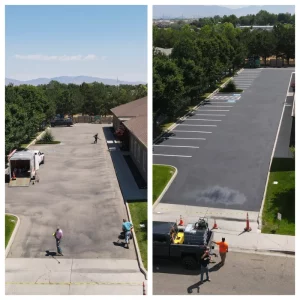
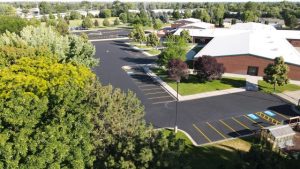
When it comes to protecting your asphalt investment, three services make the biggest impact: sealcoating, crack filling, and parking lot striping. Whether you manage a commercial property, HOA, retail center, or industrial facility, these core asphalt maintenance services work together to extend pavement life, improve safety, and enhance curb appeal.
Ignoring routine asphalt maintenance leads to expensive repairs and premature replacement. But with a proactive maintenance plan that includes sealcoating, crack sealing, and professional striping, your parking lot can last years longer while maintaining a clean, professional appearance.
Let’s break down why these three services are essential for long-term pavement performance.
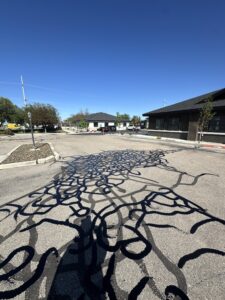
Crack Filling: Stop Damage Before It Spreads
Cracks are the first visible sign your asphalt needs attention. While small surface cracks may seem harmless, they allow water to penetrate below the pavement surface. Once water reaches the base layer, it weakens the foundation and accelerates deterioration.
Why Crack Filling Is Critical
-
Prevents water infiltration
-
Stops cracks from expanding
-
Reduces pothole formation
-
Extends pavement lifespan
-
Saves money on major repairs
Without crack filling, minor cracks can quickly turn into large structural failures. Freeze-thaw cycles make the problem worse, especially in climates with seasonal temperature swings.
Professional crack sealing uses specialized rubberized materials designed to expand and contract with your pavement. This flexible seal keeps moisture out and protects your asphalt from further damage.
Best practice: Schedule crack filling annually or as soon as cracks begin to appear.
Sealcoating: Protect and Preserve Your Asphalt Surface
Sealcoating is one of the most cost-effective asphalt maintenance services available. While it instantly restores the deep black finish of your pavement, its true value lies in protection.
Asphalt naturally oxidizes from UV exposure. Over time, the surface becomes dry, brittle, and gray. Sealcoating acts as a protective barrier against:
-
Sun and UV damage
-
Rain and moisture
-
Oil and fuel spills
-
Chemical exposure
-
Surface wear from traffic
By applying a protective seal, you slow oxidation and preserve flexibility in the asphalt.
How Often Should You Sealcoat?
Most commercial parking lots benefit from sealcoating every 2–3 years, depending on traffic volume and environmental conditions. High-traffic properties may require more frequent applications.
Routine sealcoating can extend the life of your asphalt by up to 10–15 years when combined with proper crack filling and repairs.
Parking Lot Striping: Safety, Compliance & Curb Appeal
Fresh striping is often overlooked but plays a critical role in parking lot maintenance. Clear, visible markings ensure traffic flows safely and efficiently while maintaining compliance with ADA regulations.
Over time, striping fades due to:
-
UV exposure
-
Traffic wear
-
Snow removal
-
Weather conditions
Faded lines create confusion, reduce parking efficiency, and may lead to liability concerns.
Benefits of Professional Striping Services
-
Improves traffic flow
-
Maximizes parking space layout
-
Ensures ADA compliance
-
Enhances overall property appearance
-
Increases safety for drivers and pedestrians
Sealcoating and striping often go hand in hand. After sealcoating restores the pavement surface, fresh striping completes the professional look.
Why These Services Work Best Together
Sealcoating, crack filling, and striping are most effective when performed as part of a coordinated asphalt maintenance plan.
Here’s how they work together:
-
Crack filling prevents structural damage.
-
Sealcoating protects the entire surface from oxidation and moisture.
-
Striping ensures functionality, safety, and compliance.
Skipping one service weakens the overall maintenance strategy. For example, sealcoating over untreated cracks won’t prevent underlying damage. Similarly, fresh striping on deteriorating asphalt won’t fix structural issues.
A comprehensive approach keeps your parking lot in peak condition.
The Financial Advantage of Preventative Asphalt Maintenance
Waiting until your asphalt fails leads to expensive repairs such as patching, resurfacing, or full replacement. Preventative maintenance costs significantly less than major reconstruction.
Consider this:
-
Crack filling and sealcoating cost a fraction per square foot compared to resurfacing.
-
Regular maintenance reduces emergency repairs.
-
Well-maintained asphalt increases property value.
Investing in ongoing asphalt maintenance keeps you in control of your budget and avoids large, unexpected capital expenses.
Signs It’s Time for Asphalt Maintenance
If your property shows any of these signs, it’s time to schedule service:
-
Visible cracks across the pavement
-
Gray, faded asphalt surface
-
Small potholes forming
-
Standing water after rain
-
Faded or barely visible parking lines
Addressing these issues early protects your pavement and prevents escalation.
Choosing the Right Asphalt Maintenance Contractor
Not all contractors specialize in maintenance. Look for a company that focuses specifically on:
-
Professional crack filling
-
High-quality sealcoating materials
-
Precision parking lot striping
-
Preventative maintenance planning
A knowledgeable asphalt maintenance contractor will inspect your property, recommend cost-effective solutions, and develop a long-term plan tailored to your pavement’s condition.
Protect Your Asphalt Investment Today
Your parking lot is one of the most visible parts of your property. Sealcoating, crack filling, and striping are the foundation of effective asphalt maintenance.
With the right preventative approach, you can:
-
Extend pavement life
-
Improve safety
-
Enhance curb appeal
-
Reduce long-term costs
Proactive asphalt maintenance isn’t just about appearance—it’s about protecting your investment for years to come.